Posts

Showing posts with the label Model Exam

PSC English - Prepositions

A  preposition is a word that links a noun, pronoun, or noun phrase to some other part of the sentence. Prepositions can be tricky for English learners. There is no definite rule or formula for choosing a preposition. In the beginning stage of learning the language, you should try to identify a preposition when reading or listening in English and recognize its usage. Here are a few common prepositions and examples. On Used to express a surface of something I put an egg on the kitchen table. The paper is on my desk. Used to specify days and dates The garbage truck comes on Wednesdays. I was born on the 14th day of June in 1988. Used to indicate a device or machine, such as a phone or computer He is on the phone right now. She has been on the computer since this morning. My favorite movie will be on TV tonight. Used to indicate a part of the body The stick hit me on my shoulder. He kissed me on my cheek. I wear a ring on my finger. Used to indicate the stat...

PSC Maths: കച്ചവടഗണിതം

പ്ര ധാന വസ്തുതകൾ ഒരു വസ്തു വാങ്ങിയ വിലയേക്കാൾ കൂടിയ വിലയ്ക്ക് വിറ്റാൽ ലാഭം ഉണ്ടാകുന്നു ie; ലാഭം = വിറ്റ വില — വാങ്ങിയ വില ലാഭ ശതമാനം എത്രയാണെന്നുള്ളത് വാങ്ങിയ വിലയെ അടിസ്ഥാനപ്പെടുത്തിയാണിരിക്കുന്നത് ie; ലാഭ ശതമാനം = ലാഭം           x 100 വാങ്ങിയ വില ഒരു വസ്തു വിറ്റ വില വാങ്ങിയ വിലയേക്കാൾ കുറവാണെങ്കിൽ നഷ്ടം ഉണ്ടാകുന്നു ie; നഷ്ടം = വാങ്ങിയ വില — വിറ്റ വില നഷ്ട ശതമാനം കണക്കാക്കുന്നത് വാങ്ങിയ വിലയെ അടിസ്ഥാനപ്പെടുത്തിയാണ് ie; നഷ്ട ശതമാനം = നഷ്ടം           x 100 വാങ്ങിയ വില ഒരു കച്ചവടക്കാരൻ ഡിസ്കൗണ്ട് നൽകുന്നുവെന്നു പറഞ്ഞാൽ അതിനർത്ഥം പരസ്യപ്പെടുത്തിയ വിലയേക്കാൾ കുറഞ്ഞ വിലയ്ക്ക് സാധനം വിൽക്കുന്നുവെന്നാണ് ie; ഡിസ്കൗണ്ട് = പരസ്യ വില — വിറ്റ വില ഡിസ്കൗണ്ട് ശതമാനം കാണുന്നതിന് ഡിസ്കൗണ്ട് ശതമാനം = ഡിസ്കൗണ്ട്     x 100 പരസ്യ വില ഒരേ വിലയ്ക്ക് രണ്ട് സാധനങ്ങൾ വിൽക്കുന്വോൾ ഒന്നിനുമേൽ ‘x%’ ലാഭവും മറ്റതിനുമേൽ ‘x%’ നഷ്ടവും ഉണ്ടായിയെങ്കിൽ ആകെ കച്ചവടം നഷ്ടമാണ...

PSC English: Active & Passive Voice

M ain Points: The object of the action in the Active Voice is made the subject in the Passive Voice. eg. He likes oranges (Active Voice) He – subject Likes – verb Oranges – object Passive Voice – Oranges are liked by him One of the form of auxiliary verb ‘to be’ (is, am, are, was, were, being, been) is used according to the object and the tense of the main verb in the Active Voice. Here – ‘are’ Oranges are liked by him After the auxiliary, the Past Participle form of the main verb is used. Here – ‘liked’ Oranges are liked by him The preposition ‘by’ is placed before the unit that was the subject of the verb in the active sentence. Oranges are liked by him Then the subject of the Active Voice is brought to the place of the object in the Passive Voice. Here – ‘him’ Oranges are liked by him Some examples: Subjective Case/ Nominative Case Objective Case I me We us You you He him She her They them

PSC Maths: ഉസാഘ (HCF)

Image
ഉ സാഘ (ഉത്തമ സാധാരണ ഘടകം) HCF (Highest Common Factor) ഉസാഘ എല്ലായിപ്പൊഴും തന്നിരിക്കുന്ന സംഖ്യകളിൽ ചെറിയ സംഖ്യയ്ക് തുല്ല്യമോ അല്ലെങ്കിൽ തന്നിരിക്കുന്ന സംഖ്യകളേക്കാൾ ചെറുതോ ആയിരിക്കും. തന്നിരിക്കുന്ന സംഖ്യകൾക്ക് പൊതു ഘടകമായി 1 മാത്രമേ ഉള്ളൂവെങ്കിൽ ഉസാഘ 1 ആയിരിക്കും. eg. 7, 5, 12 എന്നീ സംഖ്യകൾ എടുത്താൽ പൊതു ഘടകമായി 1 മാത്രമേ ഉള്ളൂ അതിന്നാൽ ഉസാഘ 1 ആയിരിക്കും. ഉസാഘ ഒരിക്കലും പൂജ്യം ആകില്ല. ഉസാഘ കാണുന്നതിനു പ്രധാനമായും രണ്ടു രീതികളുണ്ട് ഹരണ ക്രിയാ രിതി (Divisional method) ഘടക ക്രിയാ രിതി (Factorisation method) ഹരണ ക്രിയാ രിതി എല്ലാ സംഖ്യകളെയും ഹരിക്കാൻ സാധിക്കുന്ന സംഖ്യ ഉപയോഗിച്ചു ഹരിക്കുക. അപ്രകാരം എല്ലാ സംഖ്യകളെയും പൊതുവായ സംഖ്യ കൊണ്ട് ഹരിക്കാൻ സാധിക്കാതെ വരുവ്വൊൾ അതുവരെ ഹരിച്ച സംഖ്യകളുടെ ഗുണനഫലമാണ് ഉസാഘ. eg. ഉസാഘ = 2 x 2 x 3 = 12 ഘടക ക്രിയാ രിതി സംഖ്യകളെ ഘടകങ്ങളാക്കിയതിനു ശേഷം എല്ലാ സെറ്റിലും പൊതുവായ ഘടകങ്ങളുടെ ഗുണനഫലമാണ് ഉസാഘ. eg. 12 = 2 x 2 x 3 24 = 2 x 2 x 2 x 3 36 = 2 x 2 x 3 x 3 ഉസാഘ = 2 x 2 x 3 = 12 Home work 1) 12, 24, 30 എന്നി സംഖ്യകളുടെ ഉസാഘ ക...

PSC Maths: ലസാഗു (LCM)

Image
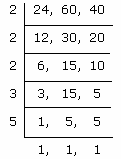
ല സാഗു (ലഘുതമ സാധാരണ ഗുണിതം) LCM (Least Common Multiple) രണ്ടോ അതിലധികമോ സംഖ്യകളുടെ ഏറ്റവും ചെറിയ പൊതു ഗുണിതമാണ് ലസാഗു. ലസാഗു എല്ലായിപ്പൊഴും തന്നിരിക്കുന്ന സംഖ്യകളിൽ വലിയ സംഖ്യയ്ക് തുല്ല്യമോ അല്ലെങ്കിൽ തന്നിരിക്കുന്ന സംഖ്യകളേക്കാൾ വലുതോ ആയിരിക്കും. തന്നിരിക്കുന്ന സംഖ്യകൾക്ക് പൊതു ഘടകമായി 1 മാത്രമേ ഉള്ളൂവെങ്കിൽ ലസാഗു ആ സംഖ്യകളുടെ ഗുണനഫലമായിരിക്കും. eg. 4, 11 എന്നീ സംഖ്യകൾ എടുത്താൽ പൊതു ഘടകമായി 1 മാത്രമേ ഉള്ളൂ അതിന്നാൽ ലസാഗു 4 x 11 = 44 ആയിരിക്കും. ലസാഗു ഒരിക്കലും പൂജ്യം ആകില്ല. ലസാഗു കാണുന്നതിനു പ്രധാനമായും രണ്ടു രീതികളുണ്ട് ഹരണ ക്രിയാ രിതി (Divisional method) ഘടക ക്രിയാ രിതി (Factorisation method) ഹരണ ക്രിയാ രിതി സംഖ്യകളെ പൊതു ഘടകം ഉപയോഗിച്ചു ഹരിക്കുക. പൊതു ഘടകം ഇല്ലാതാകുവ്വൊൾ ഓരോ സംഖ്യയേയും നിശ്ശേഷം ഹരിച്ച ശേഷം ഹരിക്കാൻ ഉപയോഗിച്ച സംഖ്യകൾ പരസ്പരം ഗുണിക്കുക. eg. ലസാഗു = 2 x 2 x 2 x 3 x 5 = 120 ഘടക ക്രിയാ രിതി സംഖ്യകളെ ഘടകങ്ങളാക്കിയതിനു ശേഷം എല്ലാ സെറ്റിലും പൊതുവായ ഘടകങ്ങളിൽ നിന്നു 1 വീതവും രണ്ടു സെറ്റിലും പൊതുവായ ഘടകങ്ങളിൽ നിന്നു ഓരോന്നു വീതവും എടുക്കുക. എല്ലാ സെ...